


In all honesty here, hearing changes can hit in a way that feels a lot more personal than people might even expect. But how? Well, it’s not just about missing a few words here and there or turning the volume up more often. It’s far more than being connected in this digital age where people are more connected than ever before.
Instead, for a lot of people, hearing is tied to identity in ways that run deep. It’s like this for a lot of people because it shapes how they connect, how they work, how they create, how they move through a room, and how confident they feel in everyday life. So when hearing starts changing, it can feel less like one small health issue and more like something is actually messing with the version of themselves they’ve always known.
And that’s what makes this so difficult, honestly. Because a person can still be fully themselves, still talented, still thoughtful, still capable, and still feel rattled by the idea that one change might start affecting everything from conversation to creativity. And yeah, of course, that fear makes sense. So, when hearing has always played a role in someone’s work, confidence, or connection to the world, it’s hard not to take that shift personally. You just question if you’ll ever feel like you again.
Support Should Help a Person Stay Themselves
Well, a lot of people resist hearing support because they’re scared it means losing part of who they are, especially if sound quality feels tied to work, expression, or personal identity. And so that fear shows up a lot for people in creative spaces.
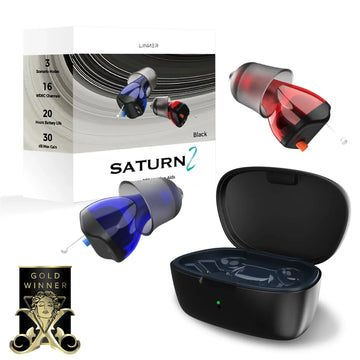
You can usually expect this from professionals like musicians, performers, teachers, speakers, and anyone whose life depends on nuance, who can feel especially shaken by hearing changes. And that’s also why options like hearing aids designed for musicians matter so much here. You absolutely need support, you need help, you need to still feel like you, work like you, and thrive as you previously thrived, and so there’s a way to do that here.
Support should not make somebody feel like they’re stepping away from themselves. It should help them stay connected to the parts of life that already matter, like your art and art, for example.
Your Identity Shows Up in Everyday Life
Meaning, this is outside of your professional life, and more about your personal life here. So, just think about it for a moment here; identity lives in smaller moments, too. It’s in how someone jokes with friends, follows a conversation at dinner, catches the little details in a favorite song, hears the emotion in someone’s voice, and feels comfortable moving through social settings without that constant low-level strain. And those things may look small from the outside, but they shape how a person experiences themselves every day.
That’s why hearing changes can affect confidence so quickly. If someone starts second-guessing what they heard, missing parts of conversations, or pulling back from situations that used to feel easy, well, you can probably see here why the emotional impact can build up over time.
You Might Need to Adapt to Protect Your Identity
Now, you really don’t want to get stuck here because a lot of people will wait because they think adjusting means giving in, or because they hope the issue will stay small enough to ignore. But adapting is not the same thing as giving something up. A lot of the time, it’s the exact opposite. It’s how people hold onto what matters before the frustration starts taking up too much space. And that applies to personal life and career life both.


![Linner Mercury Clarity OTC Hearing Aids [FSA & HSA Eligible] Linner](http://www.linnerlife.com/cdn/shop/files/Linner-Mercury-Clarity-OTC-Hearing-Aids-_FSA-_-HSA-Eligible_-Linner-110038953.webp?v=1725853434&width=360)