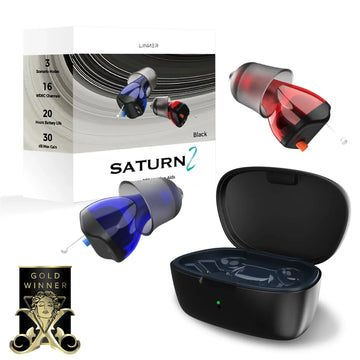



When we think about our health as we age, we often categorize our concerns into separate compartments. We visit an audiologist for our hearing, a physical therapist for our mobility, and perhaps a chiropractor for our back pain. However, the human body does not function as a series of isolated systems. Instead, it operates as a finely tuned orchestra where every instrument must be in sync. At Linner, we have always believed that better hearing leads to a better life, but the science goes even deeper than just sound.
There is a profound and often overlooked connection between the way we hear, the way we balance, and the structural health of our spine. Understanding this link is the key to maintaining true independence and vitality in our senior years.
Maintaining a high quality of life as we age requires a holistic approach to wellness that addresses both our sensory inputs and our physical outputs. If our hearing is compromised, our brain must work overtime to process environmental sounds, which often leads to cognitive fatigue and a decreased ability to focus on physical stability.
This lack of stability often causes us to stiffen our muscles and alter our posture to compensate for a feeling of being off balance.
Over time, this protective tensing leads to significant spinal compression and chronic discomfort. Integrating effective home decompression equipment into a daily routine is a practical way to manage this physical toll. By addressing the structural compression that arises from balance issues, seniors can maintain the physical freedom necessary to stay active and engaged with the world around them.
The Role of Auditory Input in Physical Stability
The inner ear is a remarkable organ that serves two primary functions: hearing and balance. The vestibular system, located within the inner ear, provides the brain with vital information about our position in space. When hearing loss occurs, the brain loses a significant portion of its spatial awareness. We use sound to triangulate our position and to understand the movement of objects around us. Without clear auditory input, the brain becomes slightly disoriented, making the task of staying upright much more difficult.
Research has shown that even mild hearing loss can significantly increase the risk of accidental falls. This is partly due to the increased cognitive load required to hear, which leaves fewer mental resources available for maintaining balance. When you utilize advanced assistive technology like smart hearing aids, you are not just improving your ability to join conversations.
You are actually reducing the strain on your brain, allowing it to focus more effectively on the mechanical task of walking and standing. Clearer hearing leads to more confident movement, which is the foundation of senior safety.
Postural Compensation and Spinal Stress
When a person feels unsteady because of a sensory deficit, their natural instinct is to contract their core and back muscles to create a sense of artificial stability. This is often referred to as guarding. While this might feel like it is keeping you safe in the short term, sustained muscular tension is incredibly taxing on the skeletal system.
Guarding leads to a rounded shoulder posture and a forward head tilt, both of which put immense pressure on the vertebrae of the lower back.
This chronic tension results in the compression of the spinal discs. These discs act as the shock absorbers for our bodies, but they require movement and relaxation to stay hydrated and functional. When we are constantly tensed up because we are unsure of our balance, those discs remain under pressure.
This is where the connection to back health becomes undeniable. A person struggling with their hearing is statistically more likely to suffer from back pain simply because of the way their body tries to compensate for the loss of balance.
The Cognitive Load of Sensory Loss
We often underestimate how much energy it takes to listen when our hearing is not at its best. This effort, known as listening effort, can be exhausting. When the brain is exhausted from trying to decipher speech in a noisy room, it becomes less efficient at coordinating complex motor tasks. This is why many seniors find that their back pain or balance issues feel worse at the end of a long social event.
By utilizing high-tech hearing solutions, we can significantly lower this cognitive load. Modern hearing aids are designed to filter out background noise and focus on the sounds that matter most, such as the voice of a loved one. This allows the brain to remain fresh and alert, which in turn improves the nervous system's ability to manage posture and movement. When the mind is at ease, the body follows suit. This synergy between sensory clarity and physical relaxation is the secret to healthy aging.
Creating a Modern Wellness Toolkit
The modern senior has access to an incredible array of tools designed to optimize the aging process. Just as we use smart technology to enhance our hearing, we should look towards specialized equipment to support our physical structures. A comprehensive wellness toolkit should address the three pillars of independence: sensory health, cognitive clarity, and physical mobility.
If you are already taking steps to improve your hearing, you are already halfway there. The next step is to ensure that the physical stress caused by years of compensatory posture is being addressed. Non invasive solutions that focus on restoring the natural length of the spine are the perfect partner to assistive hearing tech.
When you combine the spatial awareness provided by clear sound with the physical relief provided by spinal decompression, you create a powerful defense against the limitations often associated with getting older.
The Importance of Spatial Awareness
Spatial awareness is the ability to be mindful of where you are in relation to objects in your environment. It is a complex calculation that involves your eyes, your ears, and the nerves in your joints. If any part of this system is underperforming, the whole calculation is off. Hearing loss blurs the edges of our environment, making it harder to judge distances or the speed of approaching traffic.
When we restore hearing, we sharpen those edges. We become more "grounded" in our surroundings. This renewed sense of presence allows the muscles in the back and neck to finally let go of the tension they have been holding.
It is a chain reaction of wellness. You hear better, so you move better. You move better, so your spine stays healthier. Your spine stays healthier, so you have the energy to stay social and active.
Maintaining Independence Through Technology
Independence is the ability to move through the world on your own terms. It is the freedom to go for a walk, visit friends, and engage in hobbies without fear or pain. Technology is the great equalizer in this regard. Whether it is a hearing aid that clarifies the world’s sounds or a device that restores the integrity of your spine, these tools are designed to keep you in the driver’s seat of your life.
We encourage our community to look at their health through this holistic lens. Do not treat your back pain as a separate issue from your hearing health. Recognize that by improving one, you are providing the support necessary for the other to thrive.
The goal is to create a lifestyle where your senses and your body work together in harmony, allowing you to enjoy every moment to the fullest.
A Balanced Approach to Aging
The connection between hearing, balance, and back health is a testament to the incredible interconnectedness of the human body. By prioritizing your hearing, you are giving your brain the information it needs to keep you balanced and upright. By prioritizing your spinal health, you are ensuring that your body has the structural strength to carry you forward.
At Linner, we are committed to providing the technology that makes this journey easier. We believe that aging should be a time of discovery and joy, not a time of retreating from the world.
When you take a balanced approach to your wellness, addressing both the sensory and the structural, the possibilities for your senior years are limitless. Keep your ears open to the sounds of life, and keep your body ready to follow wherever those sounds take you.
![Linner Mercury Clarity OTC Hearing Aids [FSA & HSA Eligible] Linner](http://www.linnerlife.com/cdn/shop/files/Linner-Mercury-Clarity-OTC-Hearing-Aids-_FSA-_-HSA-Eligible_-Linner-110038953.webp?v=1725853434&width=360)