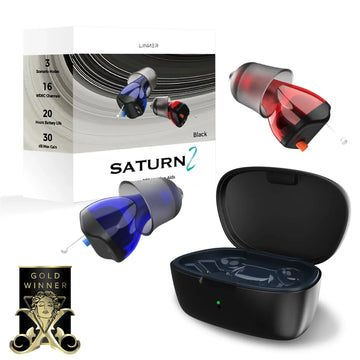



Picking a hearing solution isn't just about making sounds louder. It's about finding something that fits right into your daily life. The best tech for you really depends on your routines, how you socialize, and what you like. Thinking about these things will help you find a hearing aid that feels like a natural part of your day, not just some gadget.
Assess Your Daily Activities
First, think about your typical week. Where do you spend most of your time? The places you go and the sounds around you play a big role in what features you'll need.
If your days are mostly quiet, maybe spent at home reading, gardening, or in a calm office, you might not need anything too fancy. You probably won't need advanced noise-filtering tech.
Do you often go from quiet spots to noisy ones, like commuting from a peaceful suburb to a busy city office? Then look for devices that can automatically adjust to different sound environments.
But if you're regularly in loud places, like restaurants, workshops, or busy public spaces, you'll really benefit from features like directional microphones and advanced noise reduction. These help you focus on conversations right in front of you while cutting down on background noise. Learning about different levels of hearing loss can also help you and a professional figure out exactly how much support you need for these situations.
Consider Your Social Settings
Consider how you talk with people. Are your conversations usually one-on-one, or are you often in groups? Hearing aids are made with different social situations in mind. A device that's great for quiet chats might struggle in a crowded restaurant. If you often go to family dinners, parties, or business meetings, you'll want a solution that can help pick out speech from many directions. Some modern hearing aids even have apps that let you change settings on the go, giving you more control in tricky social settings.
The Role of Discreet Options
For many, how a hearing aid looks is a big deal. It's totally normal to want a device that isn't obvious. In the past, they could be bulky and noticeable, but technology has come a long way. Today, there are many powerful and effective discreet hearing aid options that are almost invisible. These can be tiny models that sit deep inside your ear (completely-in-canal or CIC) or small styles with a thin, clear wire (receiver-in-canal or RIC). Feeling good about how your hearing solution looks is key to actually wearing it regularly and getting all the benefits.
Prioritizing Comfort and Fit
A hearing aid only works if you wear it, and you won't wear it if it's uncomfortable. Comfort is important. Hearing aids come in a few main styles, and each one fits differently:
-
Behind-the-Ear (BTE): The main part sits behind your ear, and a tube sends sound into your ear canal. These are often powerful and easy to handle.
-
In-the-Ear (ITE): These fill the outer part of your ear bowl and are usually easier to put in than smaller models.
-
In-the-Canal (ITC) and Completely-in-Canal (CIC): These are custom-made to fit inside your ear canal, making them less visible and very secure.
Many places offer custom-molded earpieces for a perfect fit. This can stop soreness and make sure the device stays put all day. Don't be shy about trying different styles to see what feels best for you.
Budget and Warranty Factors
Hearing solutions are a big investment in making your life better, so it's smart to think about the money side of things. Prices can vary a lot depending on the tech level, features, and what services are included. When you get a price quote, ask for a breakdown of what's covered. Does it include the fitting, follow-up appointments, and adjustments?
The warranty is just as important. A good warranty protects your investment if there are defects or if repairs are needed. Also, ask about the trial period. Most providers offer a risk-free period, usually 30 to 60 days. This lets you try the devices in your own environment to make sure they're the right fit. Knowing what to look for in a hearing aid warranty before you buy can save you from future headaches and unexpected costs.
Finding the right hearing solution is a very personal journey. By matching the technology to your lifestyle, you'll find a device that not only helps you hear better but also makes you feel more connected to the world around you.

![Linner Mercury Clarity OTC Hearing Aids [FSA & HSA Eligible] Linner](http://www.linnerlife.com/cdn/shop/files/Linner-Mercury-Clarity-OTC-Hearing-Aids-_FSA-_-HSA-Eligible_-Linner-110038953.webp?v=1725853434&width=360)