


Your ears do a lot of quiet work every day. They pick up tiny changes in sound, help you keep balance, and connect you to people around you. With a few steady habits, you can protect that skill for decades and keep conversations, music, and nature sounding clear.
Image Source: https://unsplash.com/photos/a-close-up-of-a-persons-ear-ZFM4p744L-w
Know How To Clean Ears Safely
Earwax protects the ear canal, so heavy scrubbing can do more harm than good. A Cleveland Clinic guide explains that putting objects in your ears can scratch skin and even damage the eardrum, so skip cotton swabs, hairpins, and sharp tools. Instead, wipe the outer ear with a damp cloth and let your ears handle the inside on their own.
If you feel like wax builds up often, focus on prevention, not digging. Use a warm cloth after showers and tilt your head to let water drain. If you still have blockage, ask a clinician about safe removal methods.
Protect Your Hearing From Noise
Loud sound harms hearing in small steps that are easy to miss. If you notice muffled hearing after concerts or constant ringing, schedule a hearing aid consultation to check your baseline and get clear next steps. That quick check can spot early changes so you can protect what you have.
Earplugs And Headphones
Carry simple foam earplugs in your bag for games, concerts, and gyms. For music and podcasts, keep the volume at the lowest level that still sounds clear, and take listening breaks to reset your ears.
Manage Earwax The Right Way
Wax usually moves out on its own, riding tiny hairs toward the opening where you can wipe it away. Mayo Clinic materials note that home tools and cotton swabs push wax deeper and can cause blockages, pain, or infection, so they advise against inserting anything into the canal. If you struggle with buildup, a clinician can suggest softening drops or perform safe removal in the office.
Keep Ears Dry And Infection-Free
Trapped moisture invites bacteria and can lead to a swimmer's ear. After showers or swims, tip your head side to side and gently towel the outer ear. If water often gets stuck, use over-the-counter drying drops and consider custom swim plugs for a snug fit.
Cold air can bother sensitive ears. In windy weather, wear a hat or a light headband to keep the canal area warm. Small steps like these lower your risk of irritation and infection.
Build Sound-Smart Daily Habits
Small routines add up to long-term protection. Try these practical ideas:
- Set phone and media players to limit maximum volume
- Follow a 60-60 rule: 60 percent volume for no more than 60 minutes at a time
- Choose over-ear headphones instead of tight in-ear buds when possible
- Stand back from speakers at shows and gyms
- Keep a pair of earplugs in your car, gym bag, and jacket
- Give your ears “quiet time” after loud events
- Use lawn and power tools with hearing protection
These habits fit easily into daily life. They also reduce fatigue, so you can enjoy sound without strain. Your ears will thank you with clearer, more comfortable listening.
Support Overall Health For Better Hearing
Healthy blood flow supports the inner ear, so move your body most days of the week. Choose steady activities like brisk walks, cycling, or swimming that raise your heart rate without blasting your ears.
Pair movement with good sleep and stress control, since both help hormones and circulation stay steady. Skip smoking and vaping, which can narrow blood vessels and reduce the oxygen your ears rely on.
Daily basics matter too. Drink water throughout the day, and build meals around fruits, vegetables, lean protein, and healthy fats to support nerve function. Keep routine checkups for blood pressure, cholesterol, and blood sugar, because shifts in these can show up as fatigue, dizziness, or hearing changes.
Recognize Early Warning Signs
Pay attention to small changes that stick around. Speech that sounds muffled, trouble following talk in noisy places, or ringing that lingers could be early clues that your ears need a break. Sudden hearing loss is an emergency - seek medical help right away.
Track what you notice so patterns are easier to spot. Jot quick notes on your phone about when symptoms show up, how long they last, and what you were doing. If friends say you turn the TV up more often, that feedback matters too.

Image Source: https://www.pexels.com/photo/person-in-yellow-sweater-wearing-an-airpods-pro-6857209/
Good hearing helps you connect, learn, and relax. Protecting it is less about big rules and more about steady choices you repeat every day. With smart cleaning, noise control, dry ears, and quick checkups when something feels off, you can keep the world sounding crisp and bright.


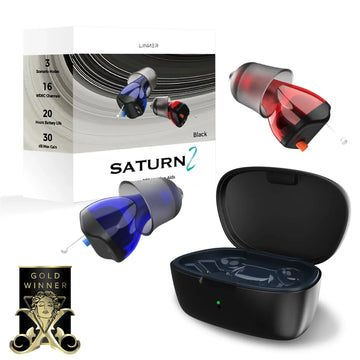
![Linner Mercury Clarity OTC Hearing Aids [FSA & HSA Eligible] Linner](http://www.linnerlife.com/cdn/shop/files/Linner-Mercury-Clarity-OTC-Hearing-Aids-_FSA-_-HSA-Eligible_-Linner-110038953.webp?v=1725853434&width=360)