


Source: Unsplash
Technology used to feel like homework. You’d buy a new device, open the box, and immediately face a thick manual full of instructions you’d probably never read. Half the features went unused, and the rest took weeks to figure out.
Thankfully, things are changing. The best technology these days isn't the one with the most buttons; it's the one that quietly makes life easier.
Take for example smartphones for seniors. They have clear screens, bigger icons, and fewer confusing menus. They’re made to be useful to older people who aren’t tech-savvy, not cause them distress and problems.
It shows that simple design is often the best.
A lot of companies are now making products based on that idea because they know that people like tools that are easy to use. The move toward simplicity is changing the consumer tech market in interesting ways.
Once you start noticing it, you’ll see this philosophy everywhere. Many of the tools we use daily are designed not to impress us with complexity, but to quietly remove small annoyances from everyday life.
Here are nine technologies doing exactly that.
1. Voice Assistants
There was a time when talking to a computer felt like science fiction. Now, it’s just Tuesday morning.
Voice assistants like Siri, Alexa, or Google Assistant let you control technology without lifting a finger. Ask for the weather while making coffee. Set a timer while cooking pasta. Play your favorite playlist while cleaning the kitchen.
The beauty of voice assistants is that they remove steps. No scrolling through apps. No typing commands. Just ask, and it happens.
2. Navigation Apps & Smart Driving
If you’ve been driving long enough, you probably remember printing directions or scribbling them on a piece of paper before leaving the house. Miss one turn and suddenly you’re guessing your way through unfamiliar streets.
Navigation apps changed that completely. Tools like Google Maps or Waze guide drivers turn by turn and adjust routes in real time when traffic builds up. It’s like having a calm co-pilot who always knows a better route.
At the same time, modern cars come with features that make driving easier and safer. Adaptive cruise control keeps a safe distance from the car ahead. Blind-spot monitoring warns you about vehicles you can’t see. Rear cameras and parking sensors make squeezing into tight parking spots far less stressful.
Add lane-keeping assistance and automatic emergency braking, and everyday driving suddenly feels a lot smoother.
3. Contactless Payments
Paying used to mean digging through your wallet for cash or waiting while a card processed.
Now it’s often just a tap.
Contactless payments allow people to pay using a phone, card, or smartwatch in seconds. Buying coffee, groceries, or transit tickets becomes almost effortless.
It’s one of those small changes you barely notice—until you find yourself standing behind someone counting coins.
4. Smart Home
The idea of a “smart home” once sounded like something from a sci-fi movie. Today, many households already use several smart devices without thinking much about it.
Smart lighting can automatically turn off when no one is in the room. Smart thermostats learn your daily routine and adjust temperatures accordingly. Security cameras and doorbell cameras let you check who’s at the door from your phone, even when you’re not home.

Source: Unsplash
There are also smart plugs that allow you to control appliances remotely, robotic vacuums that clean floors automatically, and voice-controlled speakers that connect everything together.
Individually, these devices seem small. Together, they create a home that quietly handles everyday tasks in the background.
5. Automatic Software Updates
Software updates used to interrupt everything. You’d get a notification right when you were busy, click “install,” and then wait while your device restarted a few times.
Most people have at least one memory of staring at a progress bar, hoping their computer would finally finish updating.
Today, updates happen quietly in the background. Phones, apps, and computers often install improvements overnight or while you’re using them without interruption.
You may not even notice it happening—and that’s exactly why it works so well.
6. Personal Health Devices
Technology has also made it easier to keep track of personal health.
Fitness trackers and smartwatches monitor steps, heart rate, sleep, and activity levels automatically. Instead of guessing whether you’ve moved enough today, you can check in seconds.
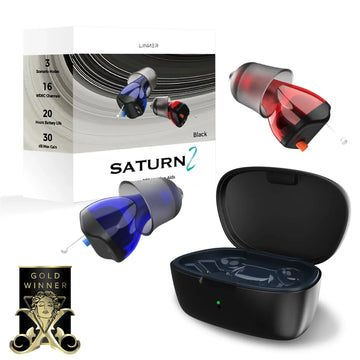
Hearing aids are another great example. Modern digital hearing aids can automatically adjust to different environments, filter background noise, and even connect to smartphones for easy adjustments.
Instead of complicated medical equipment, many of these devices are small, comfortable, and designed for everyday use—helping people stay healthier with less effort.
7. Cloud Storage
Think back to the days of USB drives. Lose the tiny device and your files were gone.
Cloud storage changed everything. Documents, photos, and projects can now live online, accessible from any device with an internet connection.
Working on a laptop at home? Pick up exactly where you left off on your phone later. Need to send someone a file? Just share a link.
It’s simple, flexible, and quietly transformed how people work.
8. Password Managers
Modern life comes with a surprising number of passwords—email, banking, shopping, streaming, social media, and more.
Trying to remember them all is nearly impossible.
Password managers solve this problem by storing login details securely and filling them automatically when needed. Instead of remembering dozens of passwords, you only need one master password.
It’s a small tool that removes a surprising amount of daily frustration.
9. Auto-Translation Apps
Language barriers used to make travel surprisingly complicated. Something as simple as reading a menu or asking for directions could turn into a guessing game.

Source: Unsplash
Auto-translation apps have made those moments much easier. Apps like Google Translate can translate text, speech, and even signs using your phone’s camera.
Point your camera at a menu in another language, and the translation appears almost instantly. It still feels a bit like magic.
For travelers, students, or international teams, these apps make communication far simpler than it used to be.
When Technology Gets Out of the Way
For years, companies competed to add more features to every device. More buttons, more settings, more complexity.
But people eventually realized something important: more isn’t always better.
The technologies that stick around are usually the ones that simplify life rather than complicate it. They remove small daily frustrations, save time, and let people focus on what actually matters.
And that’s the real goal of good technology.
Not to impress you with how advanced it is—but to quietly make your day a little easier.


![Linner Mercury Clarity OTC Hearing Aids [FSA & HSA Eligible] Linner](http://www.linnerlife.com/cdn/shop/files/Linner-Mercury-Clarity-OTC-Hearing-Aids-_FSA-_-HSA-Eligible_-Linner-110038953.webp?v=1725853434&width=360)