


Most people do not think about health technology in big, futuristic terms. They think about it on a normal Tuesday. You are trying to get through work, take a call, walk the dog, sit in a meeting, or make dinner without being constantly reminded that something is attached to your body. The best wearable health tech fits into your life seamlessly. It supports you without demanding attention, and that is harder to get right than many companies realise.
Via Unsplash
Choosing Devices That Interrupt Your Day
One common mistake is picking something that works technically, but disrupts you constantly. A device that pinches, pulls, buzzes too often, or needs frequent adjusting becomes another daily annoyance. You see it in small moments. You shift it during conversations. You avoid wearing it at work because it feels distracting. Over time, that irritation becomes avoidance.
A better approach is to prioritise comfort early. Wear it for long stretches at home before relying on it in public. If it does not disappear into your routine, it will not last.
Ignoring How People Actually Live
A lot of health tech is designed in ideal conditions, not real ones. Real life includes sweat, movement, background noise, long commutes, and busy hands.
If you have to stop what you are doing to manage the device, it becomes a problem instead of support. People do not want another task. Look for products that match your lifestyle, not just your diagnosis. Good design respects the fact that you are trying to live normally.
Overcomplicating Features You Will Not Use
More features are not always better. Many devices come loaded with settings, apps, and data you never asked for. In practice, this leads to frustration. You stop checking the app. You forget what half the notifications mean. The device becomes mentally noisy. Choose tech that does a few things well. Simple feedback, clear function, and minimal maintenance usually work better than endless options.
Treating Comfort as an Afterthought
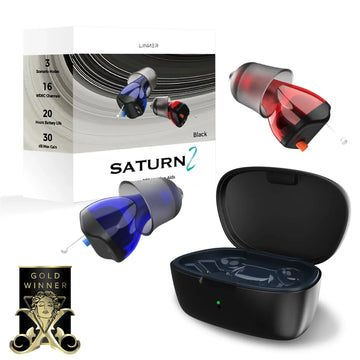
Comfort is often treated like a bonus when it is actually central. If something sits on your body every day, comfort is the difference between consistency and quitting. This is especially true with things like hearing aid design and comfort, where the smallest physical irritation can affect your mood, focus, and willingness to wear it.
Ask direct questions before committing. How does it feel after eight hours? Does it work with glasses, masks, or long hair? Comfort is not a detail.
Forgetting the Social Side of Wearables
People do not wear devices in isolation. You wear them at work, around friends, in public spaces. If something feels awkward or draws attention, it changes how you show up. You might find yourself adjusting it in meetings or feeling self-conscious during conversations. That affects relationships more than people admit. The best devices reduce that pressure. They fit naturally, look neutral, and let you stay present with others.
Expecting Perfect Habits Instead of Practical Support
Finally, many people assume they will adapt perfectly. They expect discipline to carry them through discomfort or complexity. But real habits are built on ease. The tech should support you without requiring constant effort.
If health tech is going to work long-term, it has to fade into the background of your life. This is not optional. Comfort, simplicity, and real-world usability are what make people actually keep using it.


![Linner Mercury Clarity OTC Hearing Aids [FSA & HSA Eligible] Linner](http://www.linnerlife.com/cdn/shop/files/Linner-Mercury-Clarity-OTC-Hearing-Aids-_FSA-_-HSA-Eligible_-Linner-110038953.webp?v=1725853434&width=360)