


When people think about new technology, they’ll probably think about big innovations and inventions and massive changes, but the reality is that a lot of the improvements we use in everyday life are actually quite small - they’re little things that just make daily tasks a bit easier, more reliable, or perhaps a bit less frustrating than they used to be.
And if you look closely, you can essentially see it everywhere - you’ve got phones that have better battery life, for example, appliances that are easy to use, and devices that don’t need so much maintenance anymore, for example. So let’s take a look at why better technology means better quality of life.
Small Improvements That Add Up
One of the interesting things about technology is that progress is something that happens step by step rather than all at once - devices are refined, materials improve, batteries last longer, and software gets more user-friendly, but it’s a one by one kind of thing, rather than all of it being dealt with at one time.
But even so, when you combine those changes, no matter how small they might be, the result is a more dependable piece of tech than you had before, and that’s got to be a good thing because it’s how little annoyances get taken out of everyday life.
Health Technology That Fits Into Everyday Life
Health technology is a great example of how these gradual improvements can genuinely improve quality of life. In the past, a lot of medical devices were bulky, complicated, and pretty inconvenient to manage, and that meant people sometimes avoided using them even though they were going to help with various health issues. It was just too much bother.
Today, though, designers tend to focus a lot more on comfort, practicality, and ease of use, and that means you end up with something that does its job, but also fits into everyday life without being too tricky to use in the right way. The best thing is that when technology gets to that point, you can rely on it without any worries.
The Importance Of Reliability
Another thing people often underestimate is how important reliability actually is. But the fact is that when a device actually works consistently, it takes stress and worry away from people (and they might not even realise that’s how they were feeling).
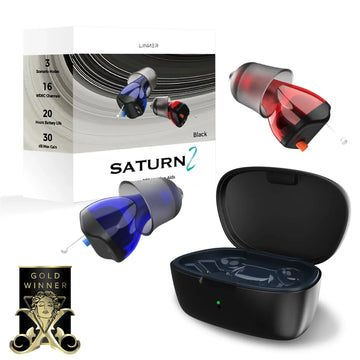
Take hearing technology as an example - modern devices are so much more efficient than they used to be, and developments like hearing aid battery innovations mean people can depend on their devices for longer without interruptions. And when something works properly all through the day, it means people can have conversations, do activities, and just get on with daily life rather than thinking about the tech itself, which is how it’s meant to be.
Final Thoughts
Better technology doesn’t necessarily mean big breakthroughs that grab the news headlines, and it usually means small improvements that add up to a much better device over time. And that’s a good thing - it means you can choose exactly what you need to ensure your daily life is as easy as possible.


![Linner Mercury Clarity OTC Hearing Aids [FSA & HSA Eligible] Linner](http://www.linnerlife.com/cdn/shop/files/Linner-Mercury-Clarity-OTC-Hearing-Aids-_FSA-_-HSA-Eligible_-Linner-110038953.webp?v=1725853434&width=360)