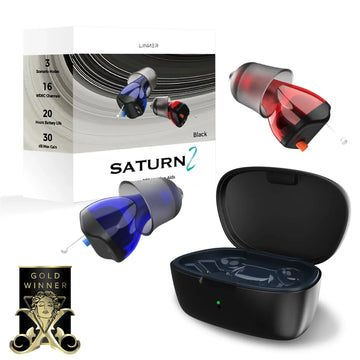



A lot of people keep supplements next to their toothbrush or hearing aid charger. They take them fast, often before the day fully starts. That makes trust in the bottle feel personal.
For many buyers, the real question is how a product gets made safely, batch after batch. That is where makers like Superior Supplement Manufacturing come in, working behind labels for many supplement brands. The process has checkpoints that reduce mix ups, dosing errors, and contamination risk.
Photo by Nataliya Vaitkevich
Start With A Formula That Can Be Made Consistently
A supplement idea usually begins with a goal like filling a nutrient gap. It can also start with a format choice, such as capsule, gummy, or powder. Each format changes how ingredients behave during production.
A workable formula must match dose targets and real factory limits. Some compounds clump, absorb moisture, or react with acids in blends. That can change texture, taste, or how evenly a dose spreads.
Manufacturers also check serving size realism and label rules early. In the United States, dietary supplements have labeling duties under FDA oversight. FDA explains this framework for supplements and how they differ from drugs and foods.
Choose Ingredients That Meet Identity And Purity Checks
Raw materials arrive with paperwork, but paperwork is not the product. Reputable plants verify identity with lab methods before ingredients enter production. This step helps stop accidental swaps and stops dishonest substitutions.
Testing plans often cover identity, purity, strength, and micro limits. Micro testing looks for organisms that should not be present. Chemical screens can check heavy metals, residual solvents, or pesticide markers, based on ingredient risk.
In the United States, supplement facilities that manufacture, package, or label fall under FDA’s dietary supplement GMP rule in 21 CFR Part 111. The rule spells out duties for testing, records, and quality control reviews.
Control The Manufacturing Environment During Mixing And Filling
Once ingredients pass release, the batch record becomes the recipe for that run. It lists weights, steps, equipment, and timing. Operators document each step so a batch can be traced later.
Clean equipment and controlled air matter more than most shoppers expect. Powders move through rooms, and fine dust can travel. Plants use cleaning validation, line clearance, and controlled traffic flow to limit carryover.
Quality teams watch for mix uniformity, fill weights, and capsule or tablet defects. A typical in process checklist may include:
- Blend uniformity samples taken from set points during mixing
- Weight checks at timed intervals during filling or tableting
- Visual checks for cracked capsules, chipped tablets, or sticky gummies
- Hold time limits for blends before the next step begins
These checks are boring on purpose, because boring prevents surprises. When something drifts, the line pauses and the cause gets fixed. That keeps one small issue from spreading across many bottles.
Manage Supplier Qualification And Incoming Lots
Quality starts before a truck arrives, with supplier approval and written material specifications in place. Teams review audits, allergen controls, and past test results to judge whether a supplier stays reliable. Each new lot gets a receiving check, quarantine status, and sampling plan before it can move.
This work reduces the chance that a blend contains the wrong plant part or weak potency. It also helps confirm that ingredients match what the label will later claim, in measurable terms. When problems appear, lot tracking allows quick holds, focused retesting, and clear communication with partners.
Prove Stability And Shelf Life Before Scaling
Even a correct formula can drift over time, especially with heat, light, and humidity exposure. Manufacturers run stability studies that measure active levels, moisture, and micro counts at set intervals. Those results support expiration dating and tell teams which packaging materials protect a product best.
For gummies, stability also includes texture changes, sugar bloom, and flavor shifts during storage periods. For softgels, oxygen uptake and seal strength are watched, since leaks can spoil oils fast. A good file notes storage conditions like room temperature and elevated heat, with matching test points.
Use Quality Systems That Catch Errors Early
Plants rely on written procedures so the same steps happen on Monday morning and Friday night. Training records show who can run equipment, who can review data, and who can release a batch. Deviations are logged when something goes off plan, then teams document the fix and prevention.
That prevention step is often called corrective and preventive action, and it keeps issues from repeating. Internal audits check cleaning logs, calibration stickers, and label control to confirm procedures match reality. When buyers ask about quality, a manufacturer can point to these records without sharing trade secrets.
Verify Labels, Claims, And Traceability Before Release
A label is not just design, it is a set of promises. The Supplement Facts panel must match the batch record and test results. Quality staff confirm ingredient names, amounts, and serving sizes before final approval.
People who use hearing aids often track several health choices at once
. Some also take medicines, which can interact with common supplements. NIH’s Office of Dietary Supplements explains label basics, safety notes, and quality questions for consumers.
Before release, many manufacturers review a final packet that ties everything together. That packet often includes results, deviations, and signed checks. A simple buyer mindset can follow the same logic:
- Match the ingredient list to your needs and your clinician’s advice.
- Look for clear serving amounts, not vague blends that hide dosing.
- Check lot numbers and dates so the product can be traced.
- Keep notes on how you feel, and stop if side effects show up.
A Practical Way To Judge Quality From The Outside
Quality in supplements is mostly paperwork, testing, and repeatable process, not marketing language on a label. When a manufacturer controls ingredients, mixing, equipment cleaning, and records, the end product stays more predictable. That matters when supplements sit beside hearing aids, prescriptions, and daily routines that already need attention.
If you want a simple check, look for clear dosing, lot numbers, and dates that support traceability and accountability. Keep your own notes on timing, effects, and any side changes, especially if you take other medicines. When a brand can explain how batches are tested and released in plain terms, trust becomes easier to place.


![Linner Mercury Clarity OTC Hearing Aids [FSA & HSA Eligible] Linner](http://www.linnerlife.com/cdn/shop/files/Linner-Mercury-Clarity-OTC-Hearing-Aids-_FSA-_-HSA-Eligible_-Linner-110038953.webp?v=1725853434&width=360)