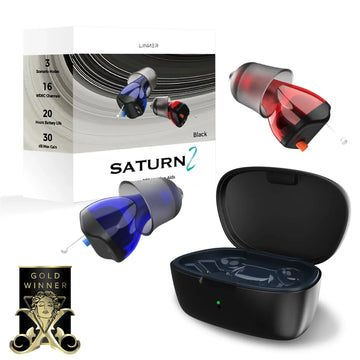


Hearing loss touches more lives than ever, yet solutions today bring clarity and connection back into focus. By 2025, nearly 2.5 billion people worldwide will grapple with some degree of hearing impairment, a figure underscoring the urgency of accessible tech. In the U.S. alone, 48 million adults navigate daily without full auditory access, often facing isolation or cognitive strain.
The good news? Hearing aids and companion gadgets have evolved into sleek, intelligent tools that not only amplify sound but also enhance overall well-being. From AI-driven adjustments to Bluetooth-streamed conversations, these innovations turn potential challenges into opportunities for vibrant living. This guide explores their impact, drawing on real advancements to help you reclaim the sounds that matter most.
The Growing Importance of Hearing Health in Modern Life
In our noise-saturated world—podcasts blasting, urban traffic humming, endless Zoom calls—protecting hearing is non-negotiable. Untreated loss correlates with higher risks of depression and dementia, as strained listening taxes the brain's resources. For adults 45-64, prevalence hits 17.8%, climbing to 31.6% for those 65 and older. Early intervention flips the script: consistent use of aids can sharpen focus and foster social bonds, proving auditory health as a cornerstone of holistic vitality.
Consider everyday wins. A grandmother catching her grandchild's first words without straining, or a professional nailing a client pitch thanks to crystal-clear audio. These aren't luxuries; they're lifelines. Public awareness campaigns, like those from the WHO, emphasize prevention through volume limits on devices, but when loss occurs, tech steps in as a reliable ally. Embracing it early sustains independence, keeping users engaged in work, hobbies, and relationships that fuel joy.
Breakthroughs in Hearing Aid Technology
Hearing aid technology will advance in 2025 by fusing consumer technology and medical precision. AI now powers real-time sound processing, dynamically filtering noise in crowded cafés or windy parks—think Oticon's Intent series, which adapts to environments in milliseconds for natural conversation flow. Bluetooth LE Audio extends battery life while streaming high-fidelity music or calls directly to the ear, a far cry from bulky 90s models.
Rechargeable options dominate, like Phonak's Audéo Infinio, offering 16-hour days on a single charge, with wireless cases that double as portables. Over-the-counter (OTC) aids, approved since 2022, democratize access: Jabra Enhance Select 700 provides app-based tuning for under $1,000, ideal for mild-to-moderate loss. These devices track health metrics too—fall detection, heart rate—alerting users or caregivers via smartphone. The result? Not just better hearing, but proactive wellness, empowering users to live fuller, safer lives without compromise.
Safeguarding Against Noise-Induced Hearing Loss
Noise exposure sneaks up, from construction blasts to car horns, claiming 22 million U.S. workers annually and contributing to 24% of all hearing impairments. Accidents amplify the risk: a 2025 study links 12.2% of workplace incidents to combined noise and hearing deficits, where sudden blasts from machinery or collisions cause irreversible damage. In urban hubs like Indianapolis, where traffic and events heighten exposure, proactive protection—earplugs at concerts, volume caps on earbuds—builds resilience.
Yet, when accidents strike, recovery demands more than medical care. Blast trauma from a fender-bender or slip-and-fall can sideline hearing, compounding stress with bills and lost wages. For Hoosiers, navigating personal injury claims ensures fair support.
Innovative Gadgets Complementing Traditional Aids
Beyond aids, a suite of gadgets extends auditory support into seamless integration. Apple's AirPods Pro 3, updated in 2025, doubles as a hearing aid with clinical-grade amplification and a built-in test via iPhone, offering active protection against loud environments. Priced affordably, it streams personalized profiles for music or meetings, bridging consumer and therapeutic worlds.
Personal sound amplification products (PSAPs) like Elehear Beyond Pro provide discreet boosts for situational use—hiking trails or theater seats—without prescriptions. Auracast tech, rolling out widely this year, creates public audio bubbles: museums or airports broadcast clear narrations to compatible devices, reducing echo and fatigue. Wearables like Starkey's Livio AI add tinnitus masking and balance monitoring, turning gadgets into multifaceted health companions. These tools empower choice, fitting diverse lifestyles from active seniors to remote workers.
Enhancing Mental and Emotional Well-Being
Hearing aids do more than clarify words—they uplift the mind. Untreated loss heightens depression risk by isolating users, but amplification cuts that by 40%, per recent analyses, easing anxiety through restored interactions. A 2023 Lancet study, echoed in 2025 follow-ups, shows that aids slow cognitive decline in older adults, preserving memory and sharpness.
Emotionally, the shift is profound: users report less frustration in social settings, fostering confidence and joy. One study found that amplified seniors scored higher on emotional scales, with reduced anger and paranoia from misunderstood cues. Gadgets amplify this—apps syncing with aids for mindfulness audio, combating tinnitus-linked stress. Overall, these technologies weave hearing into mental resilience, turning potential withdrawal into active engagement.
Practical Tips for Selecting and Maintaining Your Devices
Choosing the right fit starts with an audiogram—consult pros for baselines, then explore OTC for affordability or prescription for complexity. Prioritize rechargeables and app controls for ease; test in real scenarios, like noisy dinners, via trial periods from brands like Widex.
Maintenance keeps performance at its peak: clean weekly with soft brushes, store in dry cases to fend off humidity, and update firmware quarterly for AI tweaks. Batteries last longer with proper charging—avoid overnights. Pair with habits like annual checkups to track progress. Budget $500-$3,000 initially, but insurance expansions in 2025 cover more, making the investment worthwhile. These steps ensure longevity, maximizing every decibel of benefit.
Looking Ahead: The Future of Auditory Wellness
The horizon glows with promise: gene therapies target root causes, while neural implants like cochlear upgrades integrate AR for visual cues in noisy spots. Auracast's expansion could make public spaces universally accessible by 2030. For now, 2025's toolkit—AI aids, smart earbuds—invites everyone to tune in fully.
By embracing these, we are enhancing life's symphony rather than addressing deficiencies. Auditory health opens doors that were previously thought to be closed, whether it's rediscovering birdsong during a morning stroll or allowing unrestrained laughter during family get-togethers. Step forward with curiosity—your clearer tomorrow starts with today's informed choice.
![Linner Mercury Clarity OTC Hearing Aids [FSA & HSA Eligible] Linner](http://www.linnerlife.com/cdn/shop/files/Linner-Mercury-Clarity-OTC-Hearing-Aids-_FSA-_-HSA-Eligible_-Linner-110038953.webp?v=1725853434&width=360)