


Hearing loss often feels like a sudden wall between you and your family. This change often comes from a medical mistake during a simple surgery. Doctors sometimes prescribe drugs that hurt the tiny hairs in your ears. This is a hard reality to face when you trusted a professional. You might feel lost or angry about how this happened to you.
Taking the right steps now can help you regain control of your life. You need to focus on your recovery and your statutory rights. Gathering your medical records is a good first move for anyone in this spot. Most people do not know where to start after a bad medical experience. A clear plan helps you move forward with confidence and peace of mind.
Photo by www.kaboompics.com
Identifying Potential Medical Malpractice in Audiology
Medical errors in ear care are more common than most people think. These mistakes happen in hospitals and private clinics every single day. Determining the viability of a court case begins with finding the right lawyer for medical malpractice claims who can evaluate your treatment. This professional identifies exactly where the breach of duty occurred.
Common Clinical Errors Leading to Auditory Damage
Medical professionals must follow specific rules to keep their patients safe from harm. When they ignore these rules, patients suffer from life-long hearing problems. There are several ways a doctor might fail a patient during ear care.
-
A surgeon might nick a nerve during a middle ear procedure.
-
A doctor might give you medicine that is toxic to ears.
-
Staff may fail to test your hearing before starting a new drug.
-
A clinic might miss the signs of a serious ear infection.
The Role of Ototoxicity in Hearing Loss
Some drugs act like a poison to the nerves in your inner ear. This is called ototoxicity and it can cause permanent silence or loud ringing. Doctors must monitor your blood levels when they give you these strong medications. If they skip these tests, they are not doing their job correctly. You should ask for a list of all medications you took during your stay. This list helps experts see if a drug caused your sensory damage.
Evaluating Professional Representation and Evidence
You need a strong team to help you fight for your future. A general solicitor might not know enough about how the ear works. You should find someone who specializes in medical errors and auditory well-being. They will know how to read your tests and talk to experts. This specialized knowledge makes a huge difference in how your case goes.
Criteria for Selecting a Qualified Statutory Partner
You face a very big choice when you pick a person to represent your case. You want someone who is honest and has a history of winning. Look for these specific traits when you interview different firms.
-
The firm has worked on many hearing loss cases before yours.
-
They have a network of doctors who can testify for you.
-
The attorneys explain things in simple words you can understand.
-
They do not ask for money until they win your case.
Necessary Documentation for Your Claim
Evidence is the most important part of any professional claim. You must be the lead person in collecting your own history. Start a folder for every paper you get from a doctor or hospital. Write down the dates when your hearing started to fade away. Note if you felt dizzy or had pain after a specific treatment. This timeline helps your representative prove exactly what happened and when it happened.
Integrating Technology and Rehabilitation into Recovery
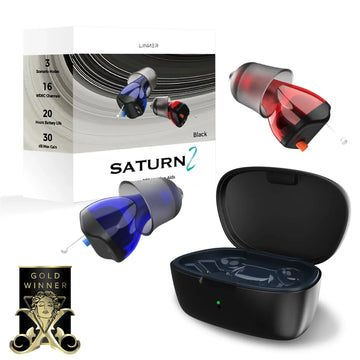
While your case moves along, you still have to live your life. Technology can help you hear your friends and work more effectively. Seeking justice is often about securing the funds needed for high quality advanced hearing aids that can restore your ability to communicate. These tools are much better than the ones from ten years ago.
Benefits of Modern Assistive Listening Devices
New ear technology uses computers to make speech sound very clear. They can tell the difference between a voice and a loud truck. Using these tools helps you stay social and keeps your brain active.
-
Small microphones focus on the person sitting right in front of you.
-
Batteries last all day and charge up while you sleep at night.
-
The devices fit comfortably and stay hidden behind your outer ear.
-
They stop loud whistling sounds before they even start to happen.
The Impact of Wireless Connectivity
Many new devices come with Bluetooth connectivity built right into the small plastic shell. This allows you to hear your phone calls directly in your ears. You do not have to struggle with speakers or headphones anymore. This feature is a great help for people working in busy offices. It makes using a computer or watching the news much easier for everyone. You can adjust the volume with a simple app on your phone.

Photo by www.kaboompics.com
Long Term Considerations for Your Well-being and Case
A court-related claim is a long road that takes a lot of patience. You will see many experts and go to several meetings. It is vital to keep seeing your own ear doctor during this time. Regular checkups show that you are trying to get better. According to the Centers for Disease Control and Prevention, regular testing is the best way to track ear status. These records prove that your hearing loss is a permanent change.
Managing Expectations Throughout the Statutory Process
Do not expect your case to end in just a few weeks. Insurance companies often take a long time to look at the facts. Your lawyer will keep you updated on every new step they take. You might have to talk about your injury several times to different people. Stay calm and tell the truth about how your life has changed. A good settlement covers your bills and your future needs for technology.
Creating a Support System for the Future
You should not go through this hard time by yourself. Reach out to friends or join a group for people with hearing loss. These people understand the daily struggles you face better than anyone else. They can share tips on how to use new technology in loud places. Supporting your mental well-being is just as important as your physical recovery. A strong group of friends makes the long process feel much shorter.
Organizing your records now will save you stress later. You should also stay focused on your personal recovery goals. The path to justice starts with a single step toward a good representative. You deserve to have the best tools to help you hear again. Medical mistakes are painful but they do not have to define your whole life. Keep your files ready and stay focused on your personal goals. Your future is still bright and full of sound.


![Linner Mercury Clarity OTC Hearing Aids [FSA & HSA Eligible] Linner](http://www.linnerlife.com/cdn/shop/files/Linner-Mercury-Clarity-OTC-Hearing-Aids-_FSA-_-HSA-Eligible_-Linner-110038953.webp?v=1725853434&width=360)